
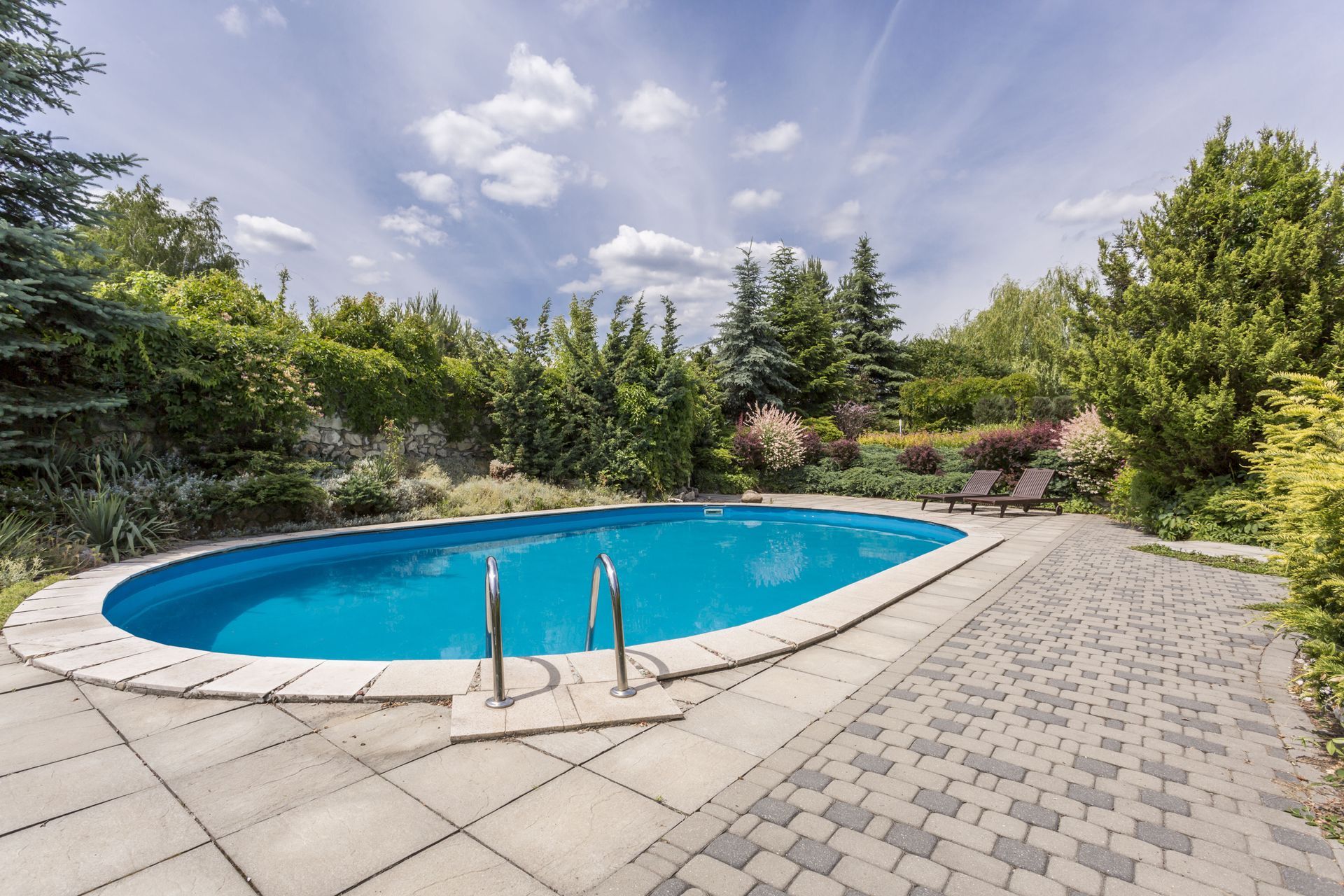
Do I Need Pool Repairs?
Swimming pools are a delightful addition to any home, providing a place for relaxation, exercise, and fun. However, just like any other part of your home, pools require regular maintenance and occasionally need repairs. Determining when pool repairs are necessary can save pool owners time, money, and prevent larger issues from developing. This article will guide you through the signs and symptoms that indicate your pool may require repairs, understanding different types of pool damage, and knowing when to call in the professionals to keep your pool in top condition. Regular attention to your pool's health ensures a safe and enjoyable environment for you and your family.
Recognizing Common Pool Issues
Leaks and Discoloration
Detecting leaks in a pool is critical since even small losses in water can lead to significant problems. Symptoms like unexpected water level drops or wet spots surrounding the pool area suggest potential leaks. Discoloration, often accompanied by unusual stains, might indicate material degradation or presence of metals in water. Addressing these early can save you from expensive repairs later. With residential building improvements in the U.S. reaching an annual value of over 205 billion dollars by 2023, timely interventions in pool maintenance align with broader home improvement trends.
Cracks and Structural Damage
Cracks in the pool's surface or surrounding areas can often be signs of underlying structural issues. It's important to monitor for hairline fissures or more significant cracks in concrete pools, as these could escalate if untreated. Structural damage isn't limited to the visible surface; underground pipes and the foundation can also be affected. Pool owners should conduct regular inspections, especially after harsh weather conditions. Identifying and resolving structural damage early can prevent more extensive and costly repairs down the line.
Filtration System Malfunctions
Filtration systems play a crucial role in maintaining clean and healthy pool water. When filters or pumps malfunction, you'll notice reduced water clarity and circulation issues. Symptoms of malfunctioning filtration systems include unusual noises or leaking water around the equipment area. Regular maintenance and timely repair of filtration systems can significantly enhance their lifespan and efficiency. Ensuring the filtration system is working properly is vital for maintaining safe and pristine swimming conditions.
Issues with Pool Equipment
Pool equipment like heaters and lights add convenience and enhance the swimming experience, but they can also develop faults that require attention. Unusual sounds or performance issues from heaters, for instance, could indicate internal mechanisms need servicing. Similarly, flickering lights or circuits blowing can signal electrical problems. Proactive maintenance of pool equipment helps in identifying and resolving such issues promptly. Timely interventions not only ensure better functionality but also contribute to the equipment's longevity.
Chemical Imbalances and Water Quality
Maintaining the right chemical balance is crucial for ensuring a safe swimming environment. Algae growth, cloudy water, and unpleasant odors are signs of imbalances that need addressing. Chemical issues not only pose health risks but can also lead to material degradation, affecting the pool's structure and appearance. Regular testing and adjustment of chemical levels ensure both hygiene and the longevity of pool components. Effective management of pool chemistry is an integral part of regular pool maintenance.
Understanding Types of Pool Repairs
Surface Repairs and Resurfacing
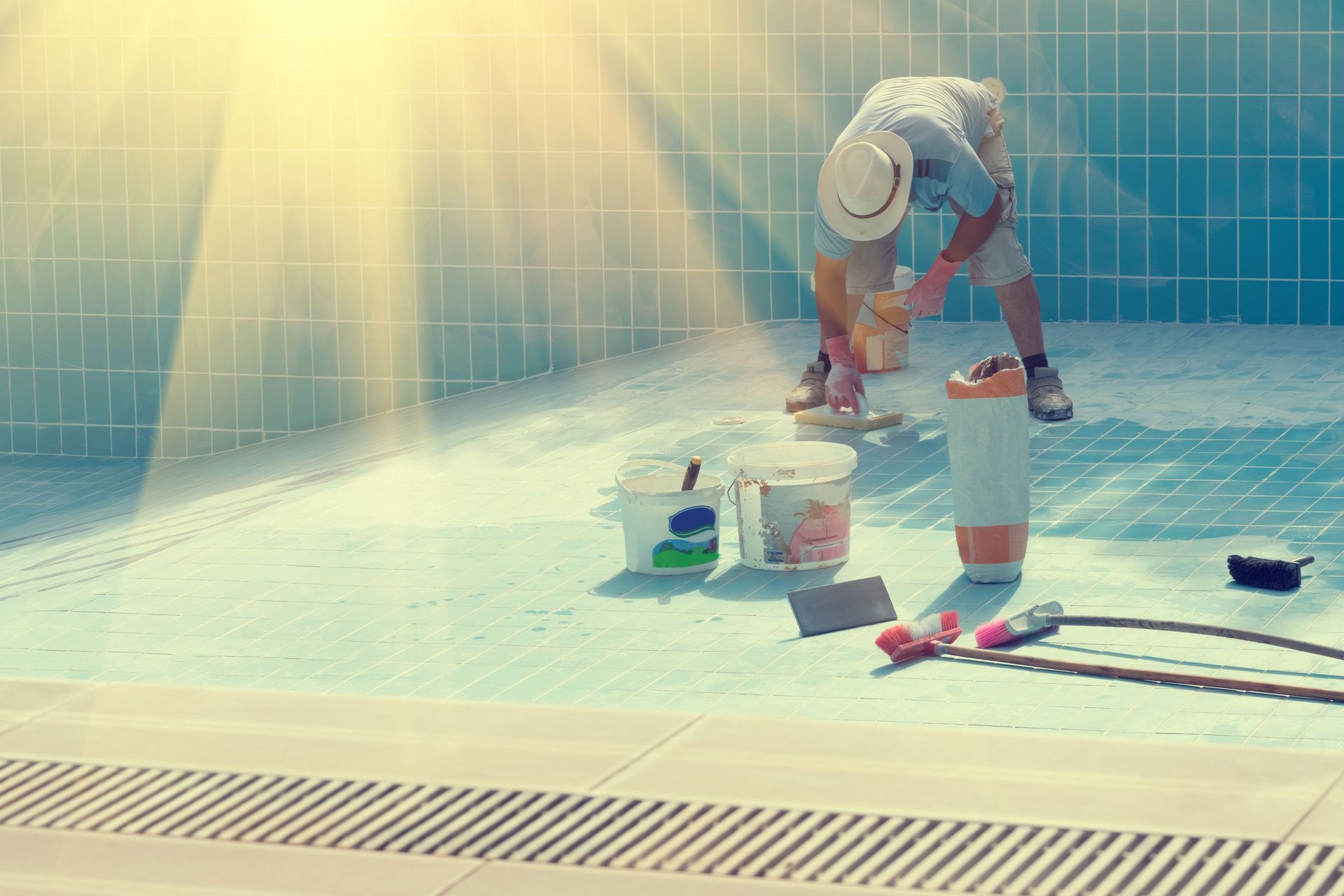
Pool surfaces, over time, suffer wear and tear and may require repairs or complete resurfacing. Signs indicating the need for such repairs include rough patches, chips, or fading colors. Resurfacing not only revitalizes a pool's appearance but also addresses any structural issues. Different materials like plaster, fiberglass, or tile each have their own lifespan and maintenance needs. Knowing when to resurface is essential for preventing further damage and extending a pool's life.
Repairing Cracks and Leaks
Addressing cracks and leaks promptly prevents them from developing into more severe structural problems. Minor cracks might be reparable with patch kits, but larger fissures could necessitate comprehensive repairs. Leak detection involves various techniques, including pressure testing and dye methods. It's crucial to differentiate between minor leaks that can be a DIY fix and major issues requiring professional intervention. Effective leak repair ensures structural integrity and water conservation.
Pump and Filter Repairs
Pumps and filters are the heart of a pool's circulation system, vital for maintaining water quality. Troubleshooting common pump issues often involves checking for clogs, impeller problems, or electrical faults. Filters need regular cleaning or replacement to function efficiently; knowing when to replace a filter, rather than clean it, is crucial. Proper maintenance and timely repairs can improve pump and filter performance and extend their lifespan. Consistent attention to these systems ensures effective water circulation and filtration.
Heater and Lighting Fixes
Pool heaters and lighting systems, while enhancing enjoyment, also require regular upkeep to function optimally. Heaters may suffer from issues like thermostat malfunctions or electrical faults, which hinder their performance. Lighting problems can arise from faulty bulbs, wiring issues, or underwater sealant problems. Addressing these promptly is vital to ensure both the safety and enjoyment of the pool area. Regular checks and maintenance of heaters and lighting systems facilitate problem-free pool operation.
Addressing Chemical Problems
Correcting chemical imbalances is essential for pool safety and cleanliness. Testing kits help in identifying parameter discrepancies such as pH levels, chlorine concentration, and alkalinity. Swift rectification processes involve adding the correct balancing chemicals and retesting water quality. Consistency and diligence in chemical management prevent issues like scale buildup and surface staining. Addressing chemical problems not only ensures safe swimming conditions but also protects the pool structure and equipment.
Evaluating the Cost of Pool Repairs
Cost Estimation Methods
Estimating pool repair costs requires considering various factors, including the extent of damage, materials needed, and labor charges. It's essential to gather multiple quotes to assess average costs within your locality. Larger pools may incur higher expenses due to increased material use and labor time. Factoring in both immediate costs and long-term savings from improved efficiency and reduced future repairs offers a clearer financial picture. Understanding cost dynamics aids in planning and prioritizing necessary repairs.
DIY Repairs vs. Hiring Professionals
The choice between DIY repairs and hiring professionals often hinges on the complexity of the issue. Simple tasks like minor patching or cleaning can be tackled on your own, potentially reducing expenses. However, complex repairs, especially involving structural components or electrical systems, generally require professional expertise. Assessing the potential risks and benefits of each option helps in making informed decisions. Balancing cost savings with safety and quality of work is crucial for effective repair management.
Maintaining a pool requires diligence and the ability to recognize when repairs are necessary. Being proactive in addressing issues can prevent small problems from becoming significant expenses. Understanding the intricacies of pool maintenance and repair, along with knowing when to enlist professional help, is crucial for any pool owner. By implementing regular maintenance strategies and leveraging modern technological advancements, pool owners can ensure their pools remain a safe, enjoyable retreat for years to come. According to RubyHome, about 59% of residential pools are in-ground. Ultimately, attentive care fosters both pool longevity and consistent user satisfaction. Be sure to reach out to McDaniel Construction of SW FL, Inc today for more information on our professional pool building service!
Share On: