
Home Renovation Made Easy: How to Plan and Stay on Budget
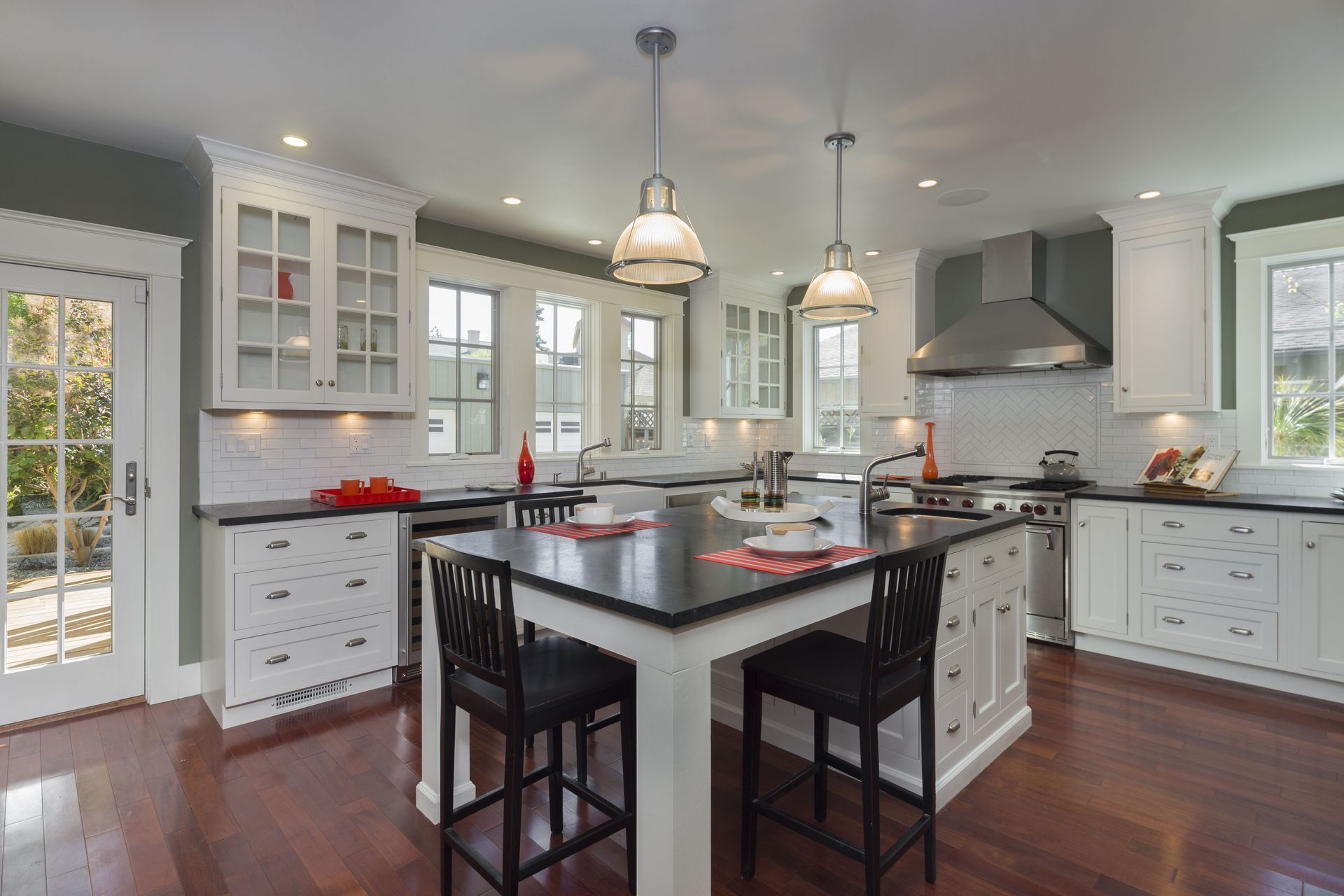
Taking on a home renovation is an exciting journey that can completely transform your living space. Whether you want to modernize an outdated kitchen, update your bathrooms, or expand your living area, updating your property allows you to tailor your house to your unique lifestyle. However, many homeowners feel overwhelmed when thinking about the logistics and costs involved. Managing a major project requires careful preparation, clear communication, and a strategic financial plan. By understanding the essential steps of the planning process, you can ensure that your remodeling experience is smooth, efficient, and financially manageable.
The key to a successful home renovation lies in the groundwork you lay before any construction begins. Jumping into a project without a clear strategy often leads to unexpected delays and ballooning costs. When you take the time to map out your goals and establish a realistic spending plan, you set yourself up for a stress-free transformation. From defining your aesthetic vision to choosing the right professionals, every decision you make in the early phases impacts the final result. Exploring the best ways to organize your upcoming project will keep you on track and within your budget.
Establishing Your Project Goals and Priorities
Before you look at paint swatches or select new flooring, you must determine exactly what you want to achieve with your home renovation. Start by identifying the pain points in your current house. Ask yourself whether you need more physical space, a better layout for entertaining, or simply a cosmetic update. Prioritizing your needs versus your wants is a critical step because it helps you make tough decisions later if your budget gets tight. Focus first on structural repairs, layout improvements, and functional upgrades before moving on to luxury finishes.
Creating a detailed wish list allows you to organize your thoughts and communicate effectively with your contractor. Gather inspiration from magazines, design websites, and social media to form a clear visual concept. Having a concrete idea of your desired aesthetic prevents changes during the construction phase, which can be incredibly costly. A well-defined plan ensures that every dollar you spend aligns with your long-term goals for the property.
Creating a Detailed and Realistic Budget
Financial planning is arguably the most crucial aspect of any remodeling project. To create an accurate budget, you need to research the average costs of materials and labor in your local area. Many homeowners make the mistake of setting an arbitrary number without checking market realities, which leads to frustration later. Break down your total budget into specific categories, including structural work, permits, finishes, and labor, to keep your spending organized.
A smart financial strategy also involves looking at the long-term value that your updates will bring. According to the National Association of Realtors, a home remodeling project's average return on investment is 56%. This statistic highlights the importance of choosing projects that enhance both your daily enjoyment and your property value. Balancing your immediate desires with the potential resale value ensures that your home renovation is a wise financial investment for the future.
Building a Mandatory Financial Cushion
No matter how meticulously you plan, unexpected expenses can arise once walls are opened up. Older properties, in particular, often hide outdated wiring, plumbing issues, or structural deficiencies that must be addressed. To prevent these surprises from ruining your financial plan, you should always include a contingency fund. This cushion should be a specific percentage of your total estimated project cost, kept separate from your main spending limit.
An ideal contingency fund consists of an extra ten to twenty percent of your overall budget. Having this money set aside gives you peace of mind, knowing that you can handle unforeseen issues without halting construction or compromising on your design choices. If your project goes smoothly without any major surprises, you can use those remaining funds for upgraded furnishings or save the money for future updates.
Researching and Selecting the Right Professional Team
The professionals you hire will make or break your home renovation experience. Working with an experienced, fully licensed, and insured contractor is vital for ensuring quality workmanship and adherence to local building codes. Take the time to interview multiple candidates, read reviews, and ask to see portfolios of their past work. A reliable contractor will provide clear timelines, detailed contracts, and transparent pricing structures.
Communication is the foundation of a good relationship with your building team. Choose a professional who listens to your ideas, offers practical solutions, and respects your financial boundaries. During your initial consultations, ask about their experience with projects similar to yours and how they handle unexpected challenges. A skilled team will guide you through the permitting process and keep you informed at every milestone of the construction journey.
Sourcing Materials and Finalizing Finishes Early
Delays in material deliveries can stall your project and increase your overall expenses. To keep your home renovation on schedule, it is highly beneficial to select and order your fixtures, appliances, and finishes well in advance. Supply chain fluctuations can cause unexpected lead times for custom cabinetry, specialized tiling, or unique light fixtures. Choosing these items early ensures they arrive at the job site exactly when the crew needs them.
Making your design selections early also helps solidify your final budget numbers. Instead of working with rough estimates for your finishes, you will know the exact cost of every item. This prevents last-minute spending decisions that can easily push you over your financial limit. Your contractor can confirm that your chosen materials are compatible with your space, avoiding costly returns or modifications during installation.
Preparing Your Household for the Construction Phase
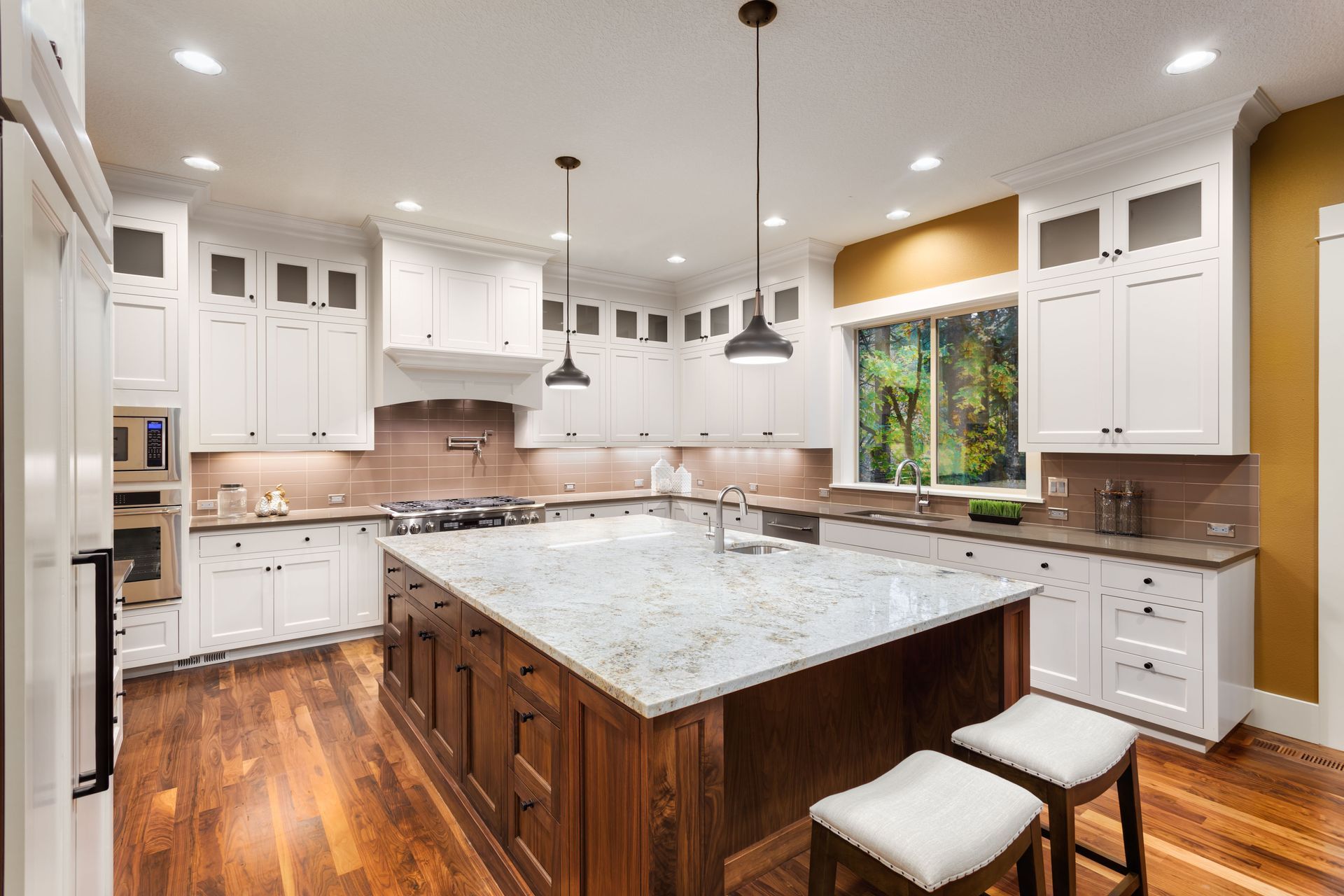
Living through a remodel can disrupt your daily routine, so preparation is key to maintaining your sanity. Depending on the scope of your home renovation, you may need to set up a temporary living arrangement or adjust how you use your space. For example, a kitchen remodel means you will need a designated area for a microwave, coffee maker, and mini-fridge to prepare basic meals. Packing up the affected rooms beforehand protects your belongings from dust and debris.
Clear communication with your family and your construction crew helps manage expectations during the build. Establish ground rules regarding working hours, parking, and access to your property. Designate a specific point of contact to handle daily questions and updates. By preparing your household for the noise and activity, you can minimize stress and maintain a positive outlook as you watch your dream space come together.
Embarking on a
home renovation is an incredible way to personalize your property, maximize functionality, and breathe new life into your living spaces. By establishing clear priorities, setting a realistic budget with a built-in cushion, and choosing an experienced team, you can navigate the process with complete confidence. Careful preparation transforms what could be an overwhelming experience into an organized and rewarding journey. When you are ready to start planning your dream project, McDaniel Construction of SW FL, Inc is here to help turn your vision into reality. We are a family-owned business serving Estero, FL and the surrounding areas, dedicated to delivering exceptional craftsmanship and personalized service. Contact us today to schedule your free estimate and find out how we can bring your ideas to life.




Share On: